.webp)
.webp)



_shutterstock_750265378.webp)








.webp)


.webp)
.webp)
.webp)
.webp)
.webp)
-(1)-(1).webp)


-(1).webp)
-(1).webp)



.webp)
.webp)



Power Distribution Board (PDB):
The Ultimate Guide to Safe Energy Management
In the modern world, electricity
is the lifeblood of every facility, from massive industrial plants to critical
data centers. However, raw power from the grid cannot be used directly; it must
be managed, protected, and routed safely. This is where the Power Distribution Board (PDB) plays its critical role.
Often described as the “heart” of
an electrical system, the Power Distribution Board is responsible for the
seamless flow of energy. In this comprehensive guide, we explore what a PDB is,
its internal components, the different types available, and how to select the
right system for your needs.
What Is a Power Distribution
Board?
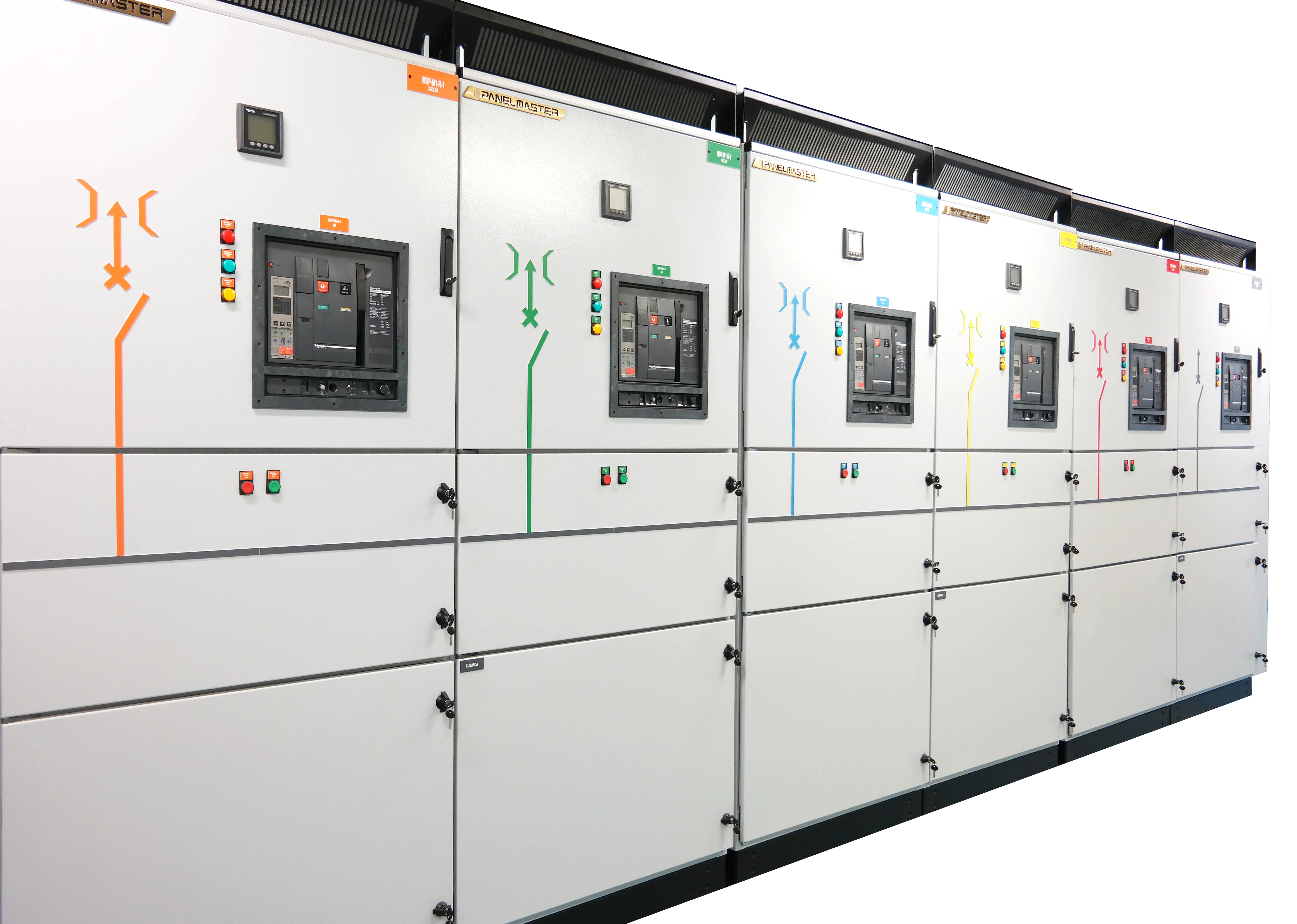
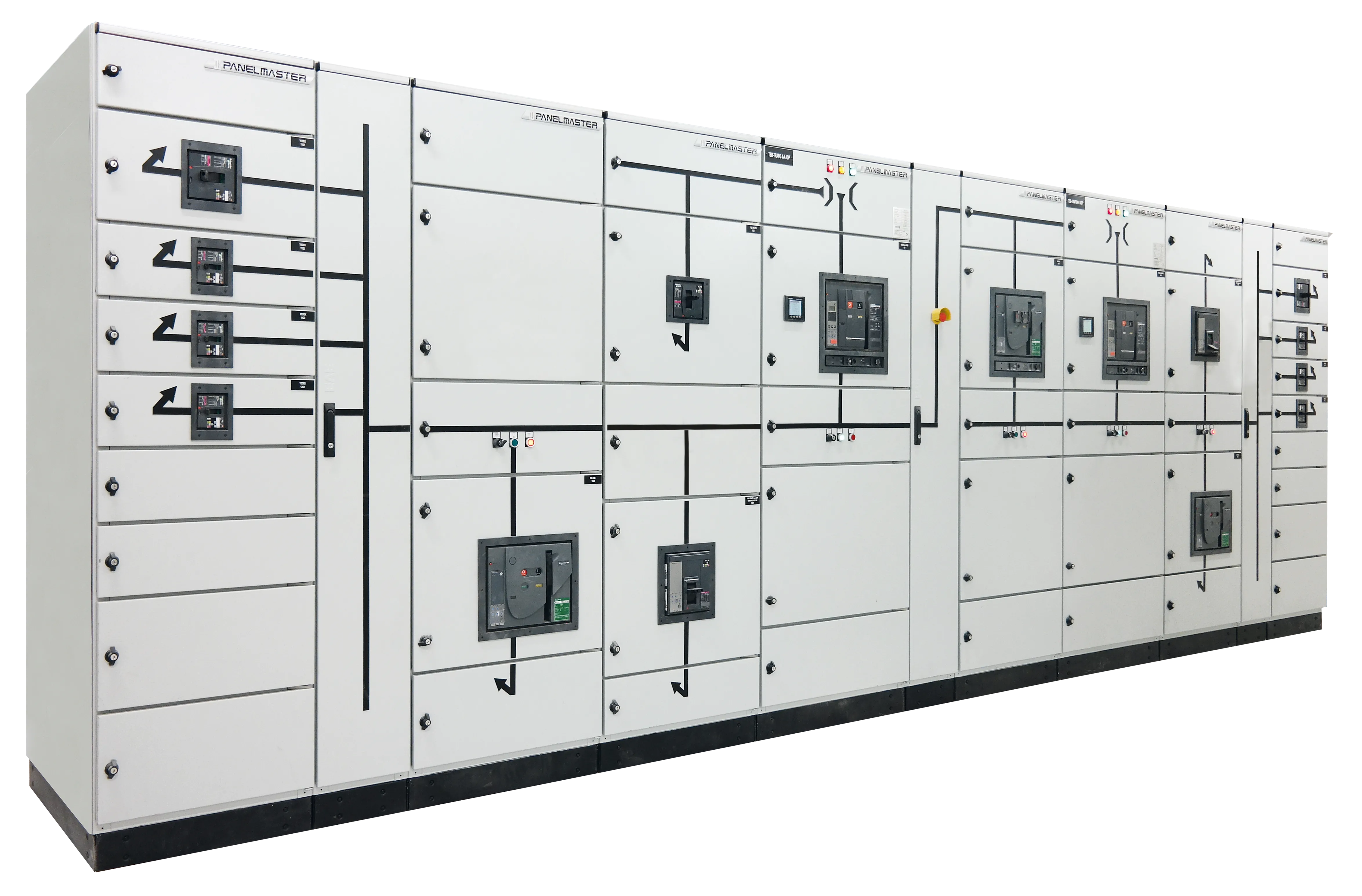
A Power Distribution Board, also known as a distribution panel or electrical
panel, is a component of an electricity supply system that divides an
electrical power feed into subsidiary circuits while providing a protective
fuse or circuit breaker for each circuit in a common enclosure.
Within Low Voltage (LV) power distribution systems, these boards handle switching, metering,
and protection functions. They are specifically designed for electrical systems
operating up to 1000
V AC and 1500 V DC.
The PDB serves as the central hub
where power enters from sources like transformers, generators, or UPS systems
and is then safely distributed to end-users (lights, motors, sockets,
machinery).
Types of Electrical Panels and
Distribution Boards
Not all panels are created equal.
Depending on the facility’s hierarchy and specific needs, PDBs are categorized
into several types:
1. Main Distribution Board (MDB
/ PDB)
The MDB is the primary entry
point for electrical power. It receives the high-capacity feed directly from
the transformer and distributes it to sub-panels. It is the first line of
defense in the facility’s protection scheme.
2. Sub-Distribution Boards (SDB)
Located downstream from the MDB,
these boards distribute power to specific zones, floors, or departments within
a building.
3. MCC (Motor Control Center)
Switchgears
Specifically designed for
industrial environments, these panels control electric motors, housing variable
frequency drives (VFDs), soft starters, and motor protection breakers.
4. Compensation Panels (Reactive
Power Control)
These panels are used to improve
the power factor of the system, reducing energy costs and increasing efficiency
by managing reactive power.
5. Construction Site Panels
Robust, portable, and often
temporary panels designed to withstand harsh field conditions while providing
power to construction tools and machinery.
The Anatomy of a Power Distribution Board: Main Components
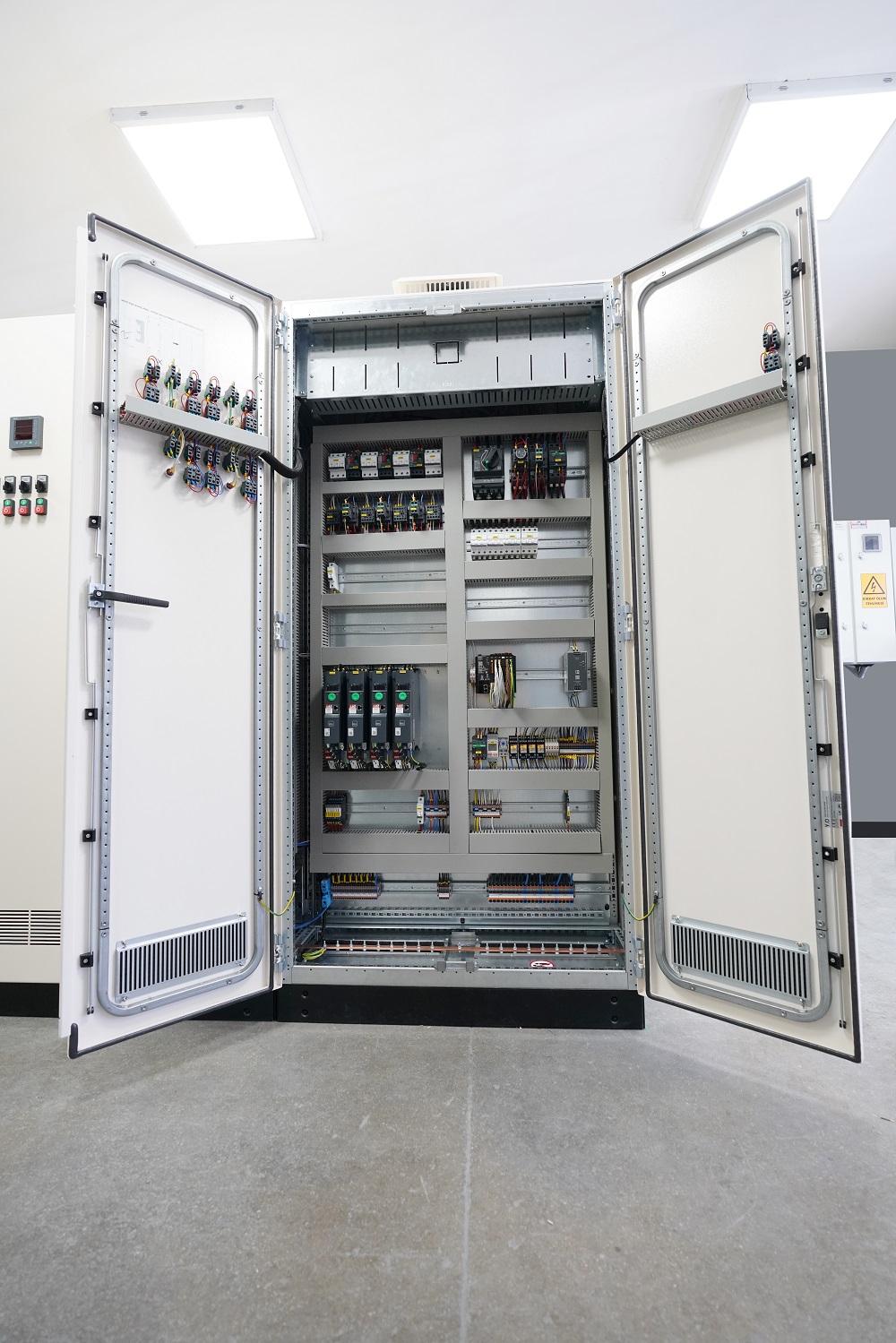
A Power Distribution Board is a
sophisticated assembly of high-quality components. Understanding these parts is
key to understanding how the system protects your facility.
1. Main Circuit Breaker (The
Gatekeeper)
This is the primary switching
device. For high-power systems, ACBs
(Air Circuit Breakers) are used, while MCCBs
(Molded Case Circuit Breakers) are preferred for lower currents. It protects the entire board from
catastrophic faults.
2. Busbars (The Arteries)
Instead of messy wiring for high
currents, PDBs use Busbars. These are thick copper or aluminum
strips that conduct electricity with minimal loss. They must be sized correctly
to prevent thermal issues.
3. Outgoing Circuit Breakers
These protect the individual
subsidiary circuits. If a fault occurs in one machine, the specific outgoing
breaker trips, isolating the issue without shutting down the entire facility.
4. Enclosures (The Shield)
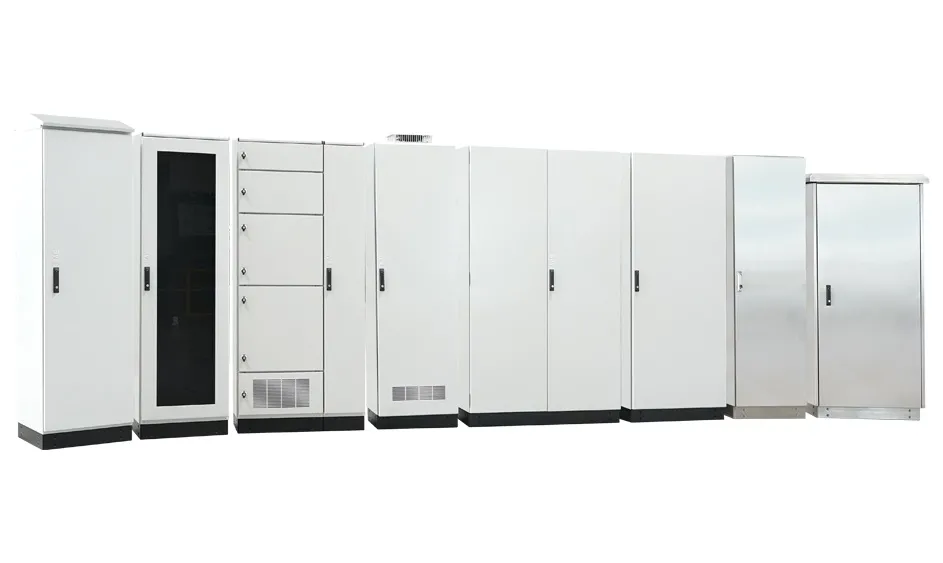
The outer steel casing protects
the internal components from dust, moisture, and accidental contact. The
quality of the enclosure determines the IP Rating (Ingress Protection).
5. Auxiliary & Monitoring
Devices
Modern PDBs are “smart.” They
include Energy Analyzers to monitor consumption, relays for logic
control, and indicator lamps for visual status updates.
Critical Application Areas
Power Distribution Boards are
essential in any infrastructure requiring reliable energy:
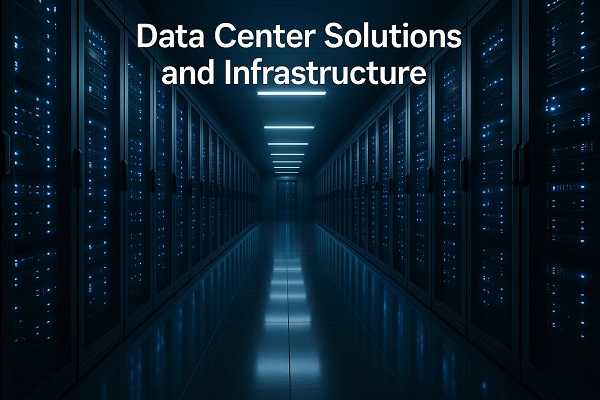
- Data Centers: Where zero downtime is acceptable,
and power flow must be monitored 24/7.
- Industrial Facilities: To manage heavy machinery and
protect against overloads.
- Hospitals: Ensuring uninterrupted power to life-saving
equipment.
- Commercial Buildings: Malls and offices requiring complex
lighting and HVAC power management.
- Renewable Energy: Integrating Solar and Wind energy
into the grid.
How to Select the Right Power Distribution Board?
Choosing the wrong PDB can lead
to financial losses, safety hazards, and operational downtime. Here are the key
criteria for making the right choice:
- Accurate Load Calculation: Analyze not just the current power
need, but future expansion requirements.
- Standards Compliance: Ensure the system is type-tested and
compliant with IEC 61439-1/2.
This is the global benchmark for safety.
- Short-Circuit Withstand Capacity: The panel must be able to handle the
maximum potential fault current of your facility.
- IP Protection Class: Select the enclosure based on the
environment. Is it dusty? Is it outdoors? (e.g., IP55 or IP65 for harsh
environments).
Why Industry Leaders Choose PanelMaster
When reliability is
non-negotiable, PanelMaster stands out as a premier partner in low
voltage switchgear solutions.
PanelMaster goes beyond basic manufacturing by
offering high-performance solutions designed in full compliance with
international standards.
The PanelMaster Advantage:
- IEC 61439-1/2 Certified: Guaranteeing system reliability,
durability, and occupational safety.
- High Environmental Protection: Offering ratings up to IP55, ensuring safe operation even in harsh
industrial conditions.
- User-Friendly Layout: Designed for easy maintenance and
fast troubleshooting access.
- Adaptable Modularity: Specific solutions tailored to project
needs, allowing for flexible expansion.
For facilities that prioritize
operational continuity and maximum efficiency, PanelMaster provides the
engineering excellence required to keep the lights on and the machines running.
Frequently Asked Questions (FAQ)
Q: What is the
difference between MDB and SDB?
A: The MDB (Main Distribution
Board) receives power directly from the source (Transformer/Gen-set) and
controls the entire facility. The SDB (Sub-Distribution Board) receives power
from the MDB and distributes it to a smaller, specific area.
Q: Why is the IP
rating important for a PDB?
A: The IP rating (e.g., IP54,
IP65) indicates how well the panel protects against dust and water. A low IP
rating in a wet or dusty environment can lead to short circuits and fires.
Q: How often should
a Power Distribution Board be maintained?
A: It is recommended to perform a
thermal inspection and mechanical check at least once a year to detect loose
connections or overheating components before they cause failure.
.webp)