Industrial Control Panels: The Ultimate Guide to Smart Solutions for Electrical Automation
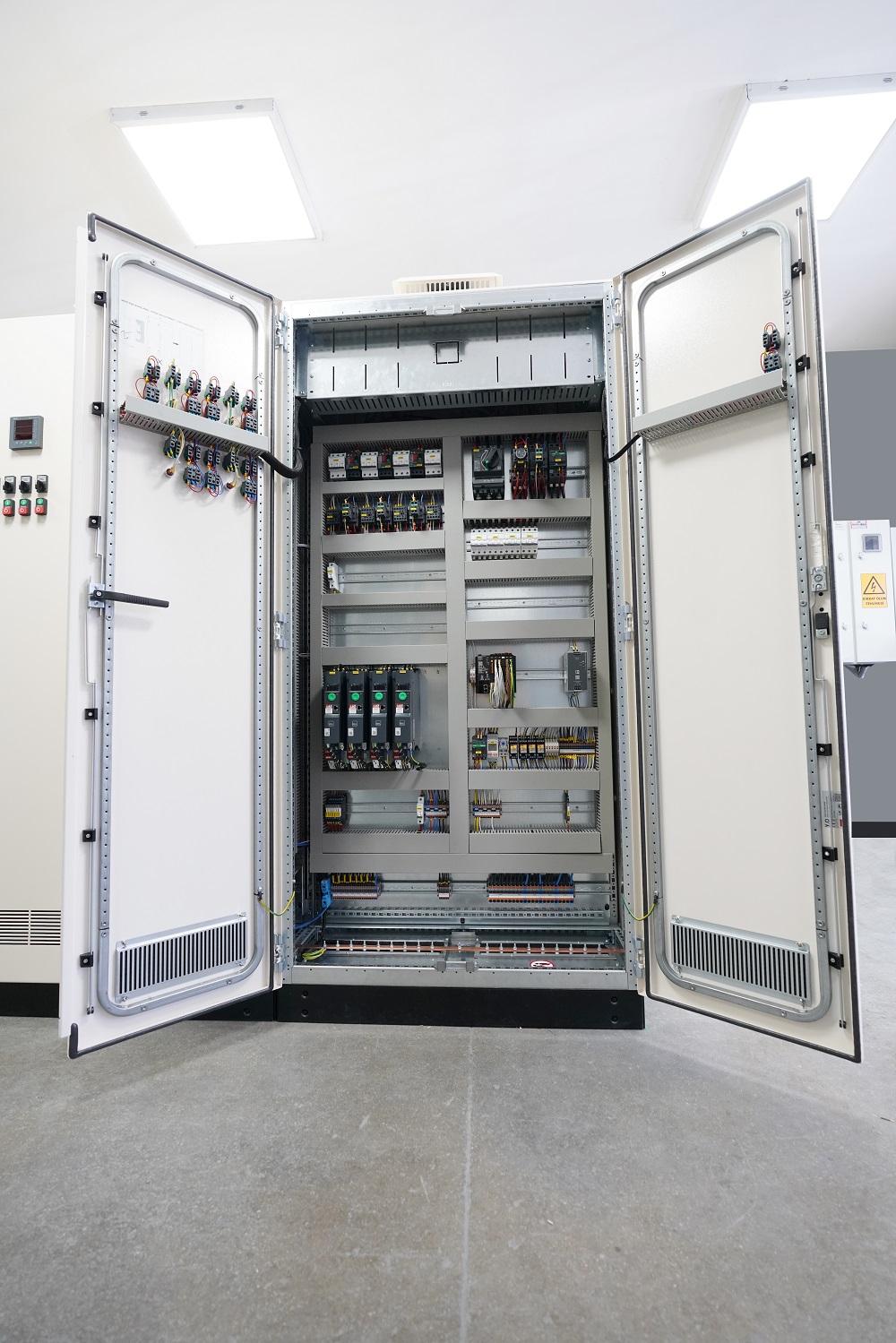
A control panel is a crucial piece of equipment in modern low-voltage electrical and automation systems. Often referred to as the “brain” of manufacturing operations, an electrical control panel is designed to manage, monitor, and control industrial processes . These panels provide a secure and protective environment for critical electrical and automation components. With robust steel construction and flexible design options, these enclosures play a key role in ensuring operational continuity, safety, and efficiency in complex industrial environments.
Purpose and Functionality of Control Panels
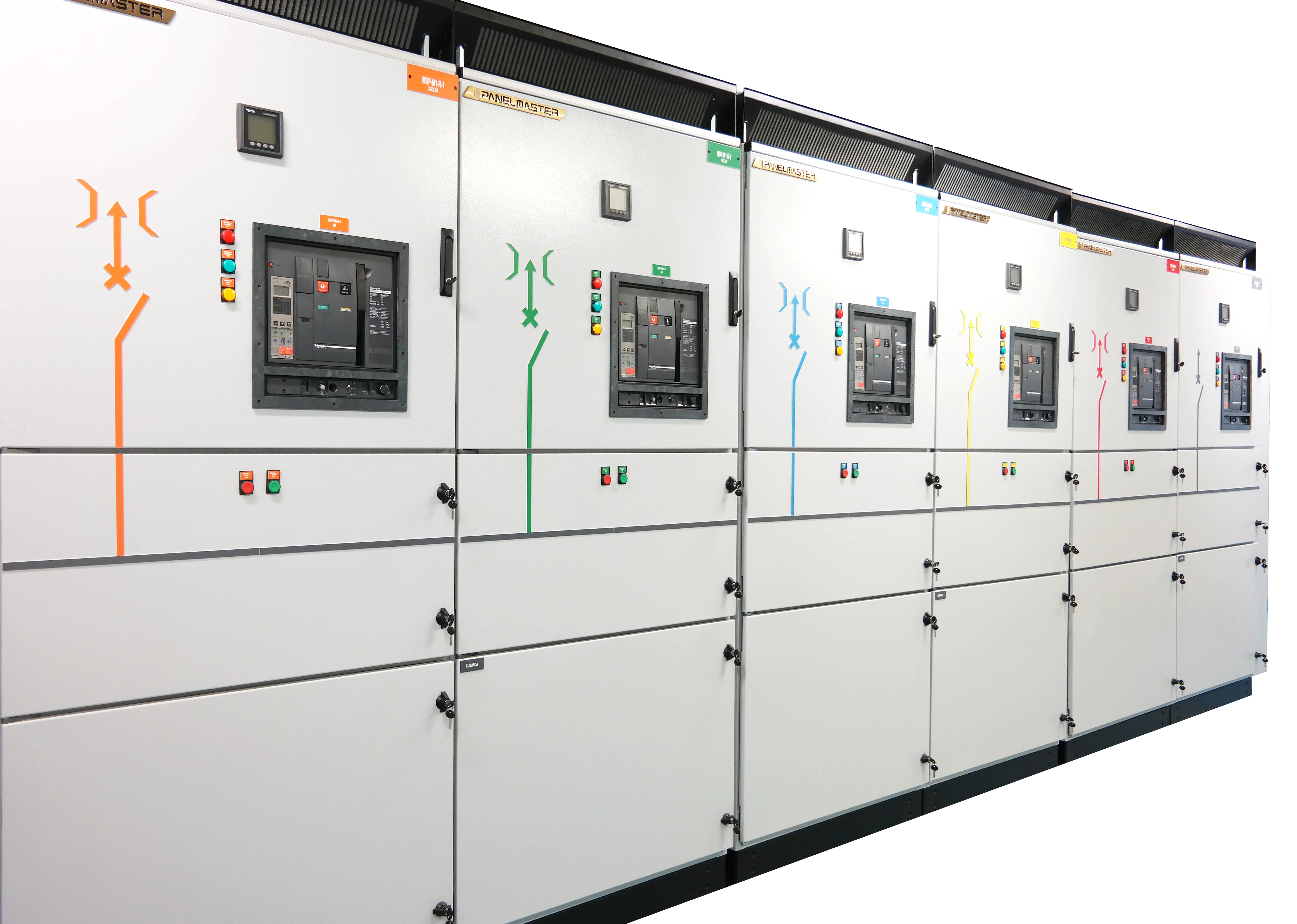
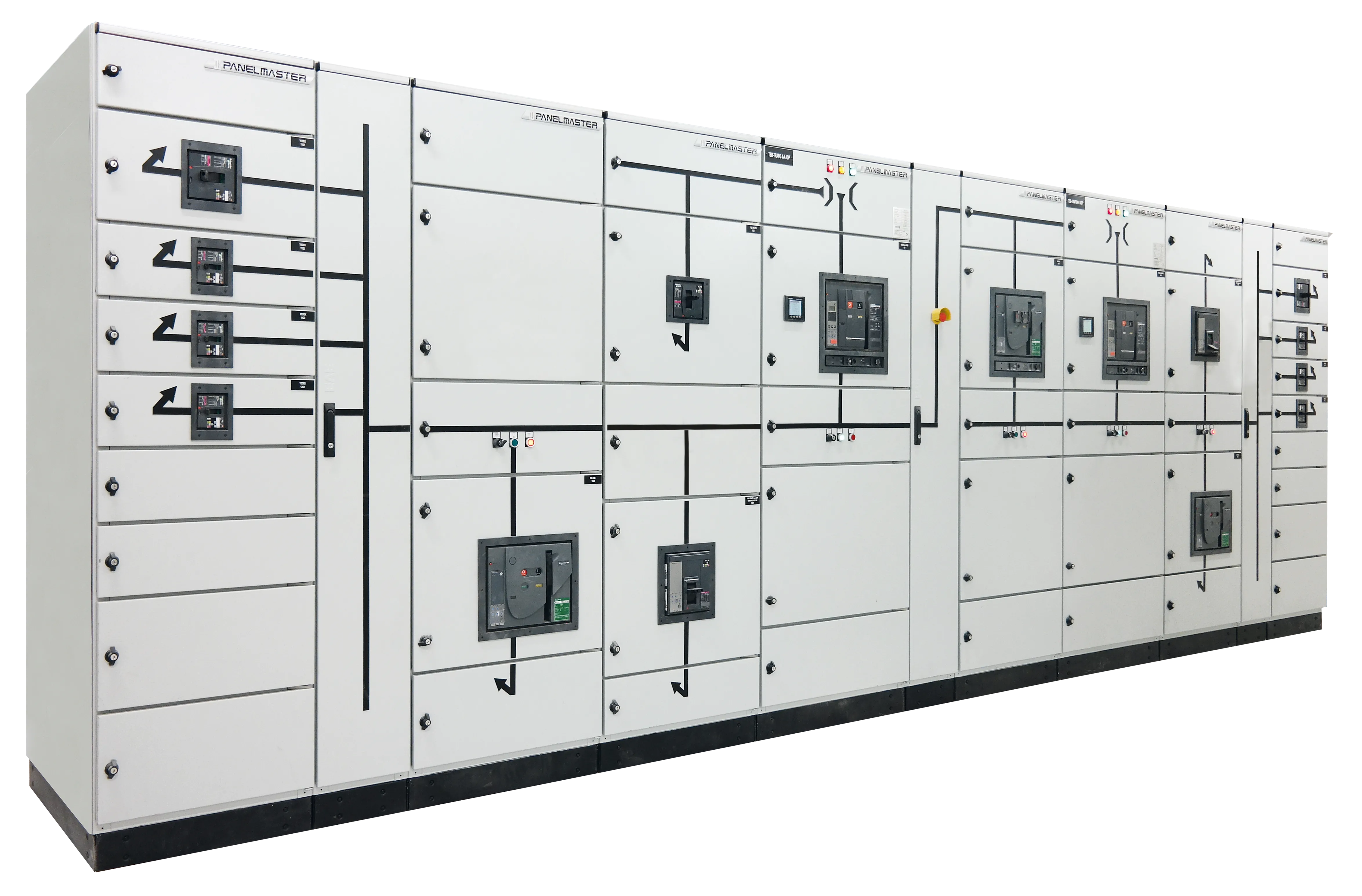
Industrial control panels are engineered to serve as the command center of electrical and automation systems. Their primary function is to enclose electrical components that regulate mechanical processes. They enable accurate control of machines, motors, and process equipment while allowing operators to monitor system performance, warnings, and operating conditions. By centralizing control functions, custom enclosures for control and monitoring help improve system reliability, minimize downtime, and simplify operation and maintenance.
Types of Control Panels
To understand the scope of these systems, it is essential to categorize them based on their specific applications. Common types include:
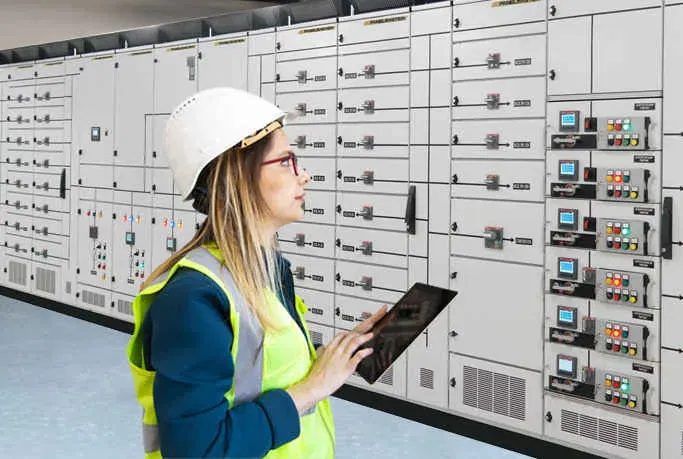
• Motor Control Centers (MCC): Specifically designed to control electric motors, incorporating starters, soft starters, and Variable Frequency Drives (VFDs).
• PLC Automation Panels (PLC Panels): These house Programmable Logic Controllers (PLCs) intended for automated industrial processes.
• Direct Digital Control Panels (DDC): DDC Panels are control panels used in Direct Digital Control systems. It is generally used in building automation and industrial automation applications
Material and Enclosure Standards
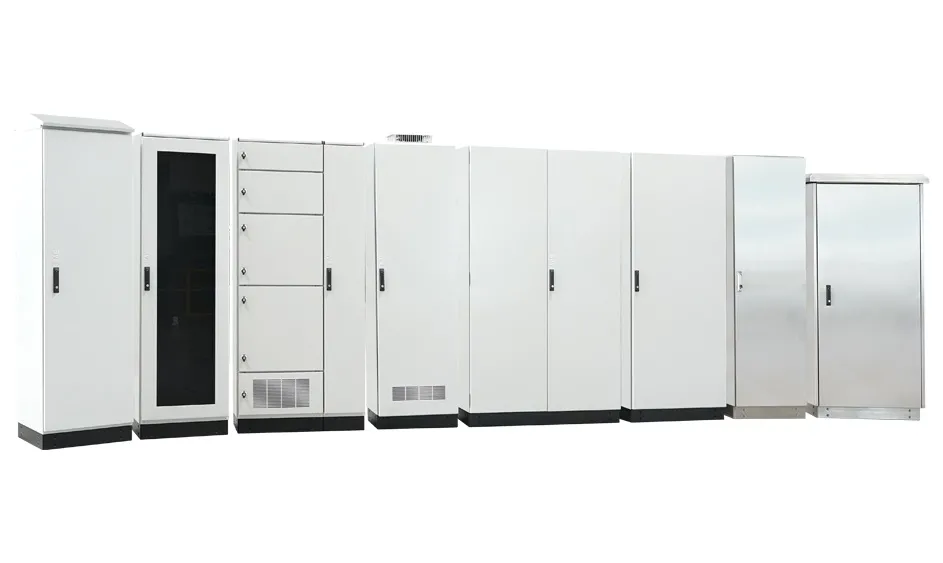
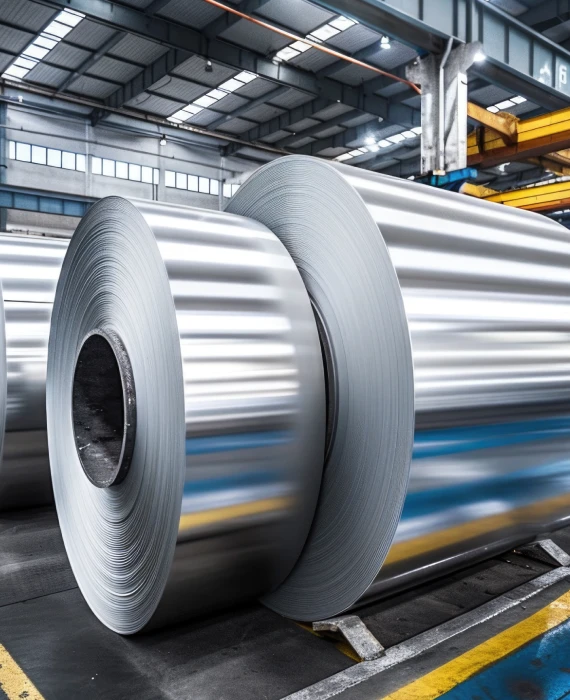
Low voltage control panels are typically manufactured from galvanized steel or stainless steel, depending on the environmental a nd operational requirements of the application.
• Galvanized Steel: Offers high mechanical strength and corrosion resistance for standard industrial environments.
• Stainless Steel (304/316 Grades): These are ideal for hygienic or corrosive conditions such as food processing, pharmaceuticals, chemical plants, and outdoor installations.
• IP Ratings: High-quality control panel enclosures are rated according to IP (Ingress Protection) to ensure protection against dust, moisture, and water ingress, making them suitable for harsh outdoor or indoor climates.
Internal Components and System Integration
A well-designed control panel integrates sophisticated hardware to execute complex logic. Key components include:
• Programmable Logic Controllers (PLCs): For executing automation logic.
• Human Machine Interfaces (HMI): Touchscreens allowing operators to interact with the system.
• Network Switches: For industrial communication (IIoT).
• Variable Frequency Drives (VFDs) and Servos: For precise motor speed control.
• Interface relays, contactors, auxiliary protection devices, and power supplies.
Careful internal layout and structured wiring ensure proper ventilation, accessibility, and compliance with international standards, supporting long-term reliability and safe operation.
Application Areas and Industries
Low voltage enclosures for control and monitoring are widely used across many industries. Key sectors relying on robust control panel design include:
• Manufacturing facilities (Automotive, Textile, Electronics).
• Energy and utility systems (Solar Power Panels, Wind Turbines).
• Building automation (HVAC Control Panels, Lighting Control).
• Water and wastewater treatment plants.
• Oil and gas installations.
• Food and pharmaceutical industries.
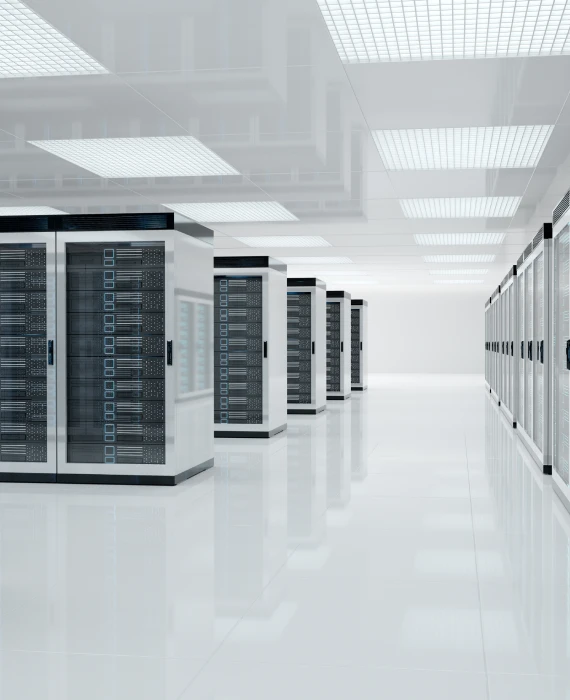
Their adaptable design allows them to be used in both centralized control rooms and decentralized field applications.
Customization , Retrofitting and Flexibility
Modern control panels are designed with modular construction principles, enabling customization to meet specific project requirements. Whether you need a simple operator station or a multi-door enclosure system, manufacturers can offer:
• Flexible enclosure dimensions.
• Top or bottom cable entry options.
• Ventilation or active cooling accessories (Air Conditioners, Heat Exchangers).
• Advanced monitoring solutions.
This flexibility ensures that the control panel design is compatible with current needs and scalable for future expansions.
Safety, Compliance, and Reliability
Electrical safety is paramount. Industrial control panels are designed and manufactured in accordance with international standards such as IEC 61439, IEC 62208, to ensure personnel safety, equipment protection, and reliable system operation. Proper engineering, professional installation, rigorous testing, and regular maintenance are essential to maximize system performance, reduce downtime, and extend service life.
Conclusion
In an increasingly automated industrial landscape, control panels are a critical infrastructure component supporting safe, efficient, and reliable operations. With durable construction, flexible design, and broad application potential, well-engineered electrical control panels deliver long-term value and help ensure uninterrupted performance across industrial and commercial facilities. Investing in quality control panel manufacturing as we are, ensures your business stays competitive in the age of Industry 4.0.

.webp)
.webp)



_shutterstock_750265378.webp)






.webp)


.webp)
.webp)
.webp)
.webp)
.webp)
-(1)-(1).webp)


-(1).webp)
-(1).webp)


.webp)
.webp)



.webp)