.webp)
.webp)


_shutterstock_750265378.webp)






.webp)


.webp)
.webp)
.webp)
.webp)
.webp)
-(1)-(1).webp)


-(1).webp)
-(1).webp)
.webp)
.webp)



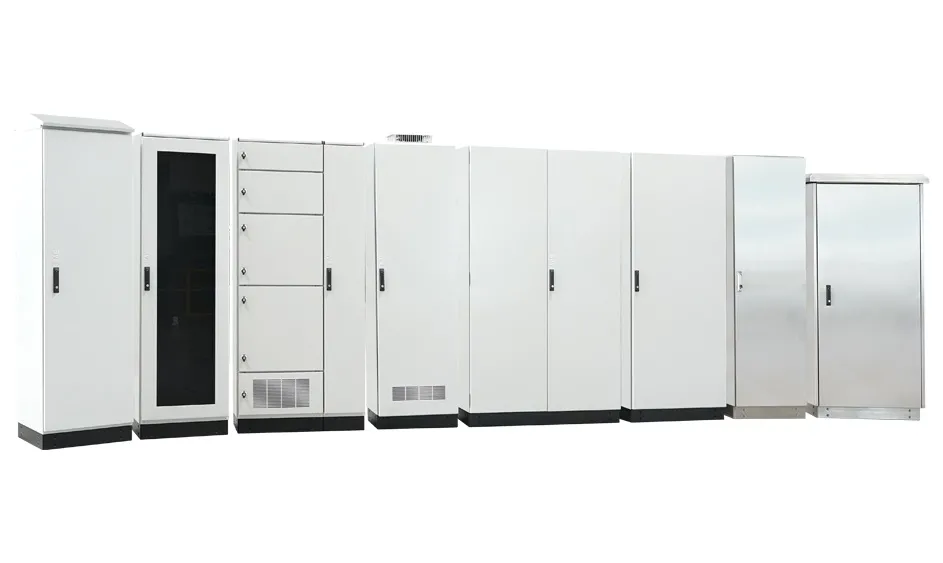
Floor Standing Enclosures: Competent Structure For Low-Voltage Installations
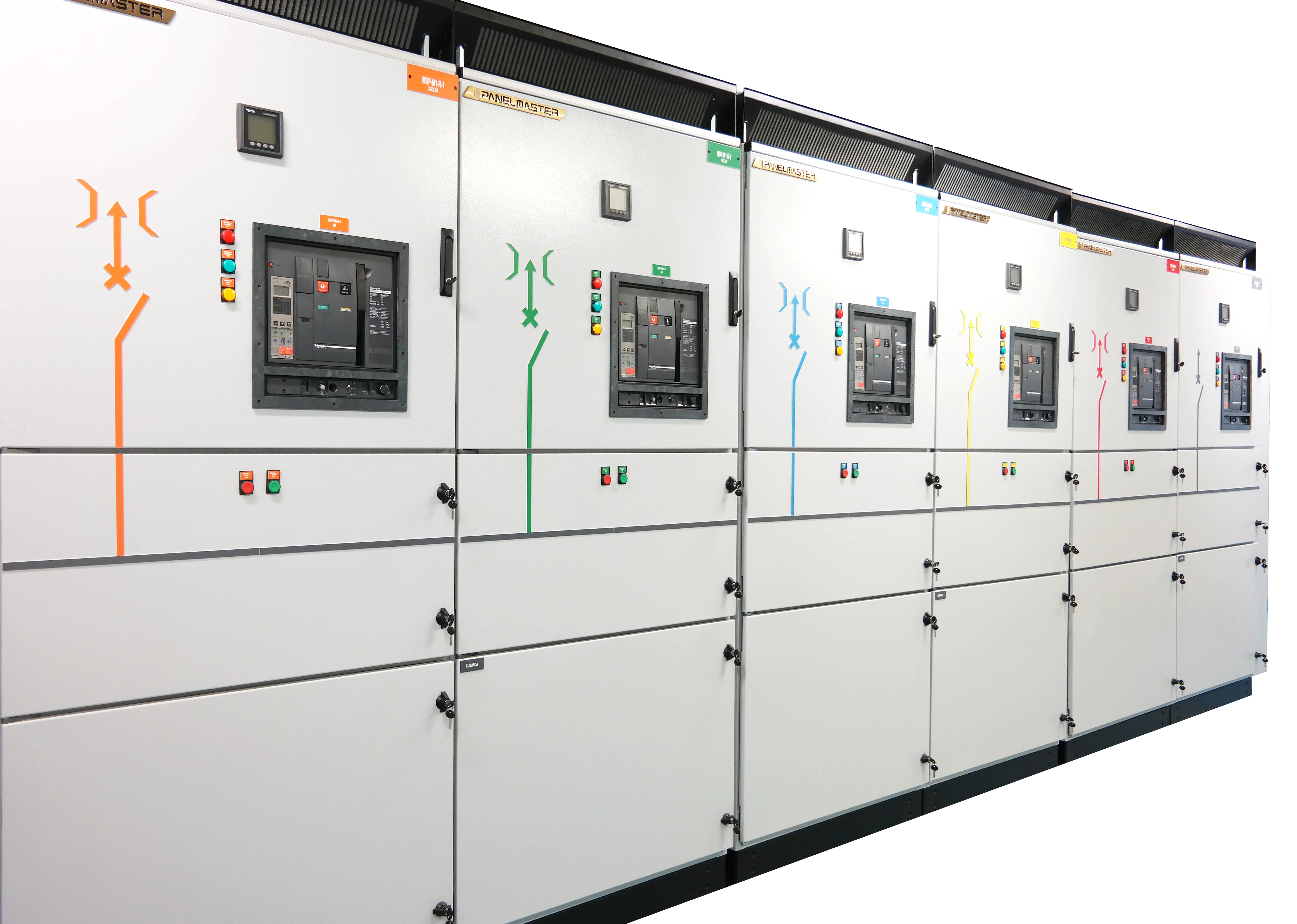
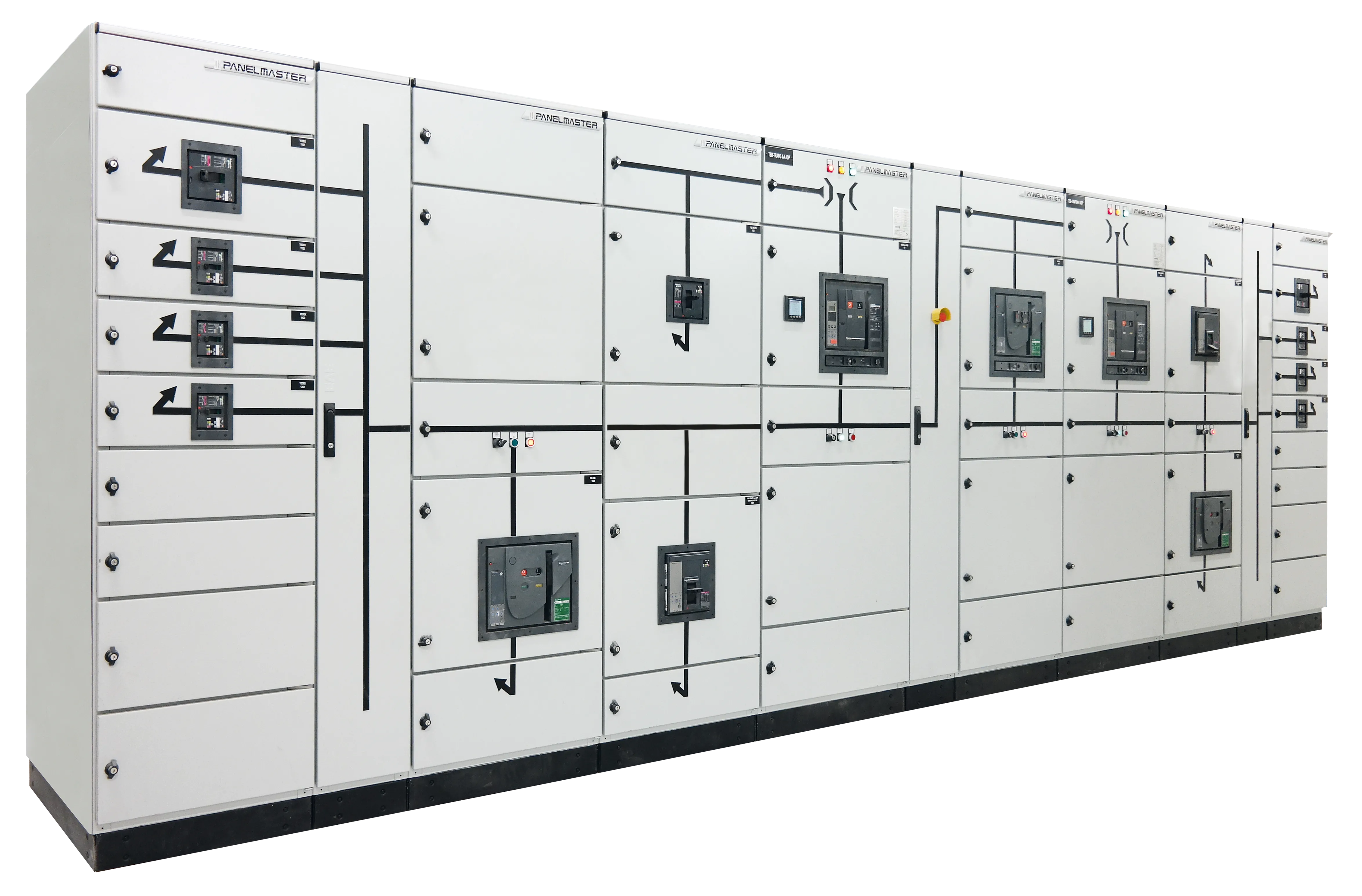
Floor standing enclosures are essential components of modern low-voltage control systems. Designed for circuit devices, automation, and control equipment, these enclosures provide a secure, organized, and durable environment for critical components operating in industrial and commercial facilities. Unlike wall-mounted enclosures, these enclosures are specifically engineered to handle heavier loads and larger control systems, making them the backbone of industrial infrastructure.
Manufactured from galvanized or stainless steel sheet, floor standing enclosures offer high mechanical strength, environmental protection, and long-term reliability. Their freestanding structure allows them to accommodate complex control systems, higher component densities, and flexible internal configurations required by today’s automation-driven applications.
Purpose of Floor Standing Enclosures
Floor standing enclosures are primarily used to support automation and control functions in low-voltage electrical systems. They house automation equipment, ensure electrical safety, enable organized cable management, and allow for system expansion. By centralizing main breakers and control equipment within a robust steel structure, they enhance operational safety, system continuity, and overall efficiency.
However, their purpose extends beyond just housing. They have a job as a critical shield against electromagnetic interference (EMI), protecting sensitive PLCs and drives from external noise. Furthermore, they serve as the primary interface for Human-Machine Interactions (HMI), allowing operators to monitor system health safely. (Added for Keyword depth: EMI, PLC, HMI)
Types of Floor Standing Enclosures
To choose the appropriate enclosure, it is crucial to understand the two main structural categories:
1. Compact Enclosures: These feature a monoblock body with welded rear and side panels. They are ideal for standalone applications where maximum rigidity and water-tightness are required. They offer rapid installation as no assembly of the frame is needed.
2. Modular Enclosures: Designed for scalability, these enclosures allow users to join multiple cabinets together (baying) to create large control suites. They offer unlimited flexibility, allowing engineers to swap doors, panels, and internal rails to suit evolving project needs. E-Kabin floor standing enclosures have this structure model that we have manufactured at high volume capacity to fulfill the needs of users.
Construction Materials and Enclosure Design
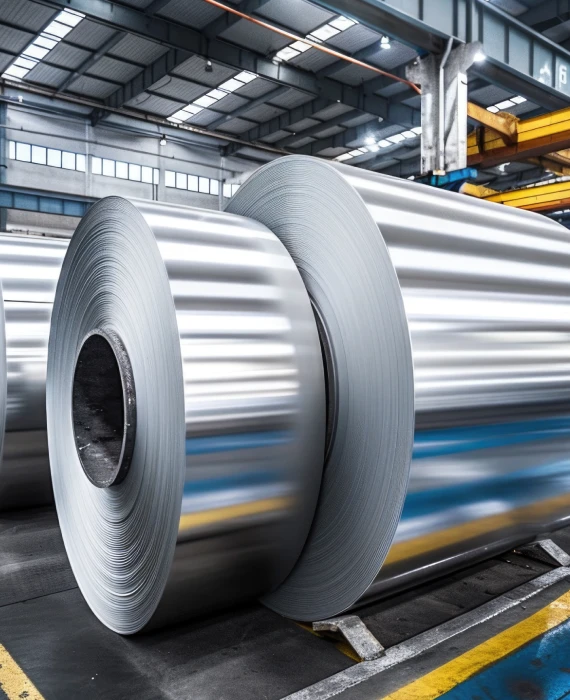
Galvanized steel enclosures are widely used in standard industrial and commercial environments, offering durability and corrosion resistance. Stainless steel enclosures are preferred in harsh or hygienic environments such as food processing, pharmaceuticals, chemical plants, and outdoor installations. Specifically, AISI 304 stainless steel is standard for general corrosion resistance, while AISI 316L is recommended for marine environments or areas with high salinity and chemical exposure. For outdoor applications, UV-resistant powder coating is essential to prevent degradation over time. (Added technical details: AISI 304/316L, UV-resistant - High value keywords). Both designs can be engineered to meet various IP protection classes.
Protection Ratings: IP Standards
Selecting the correct ingress protection is vital for equipment longevity. Floor standing enclosures typically come with specific ratings:
• IP55: Offers protection against dust and low-pressure water jets, suitable for general indoor factories.
• IP66: Provides a dust-tight seal and protection against high-pressure water jets, ideal for wash-down areas.
Internal Configuration and Equipment Integration
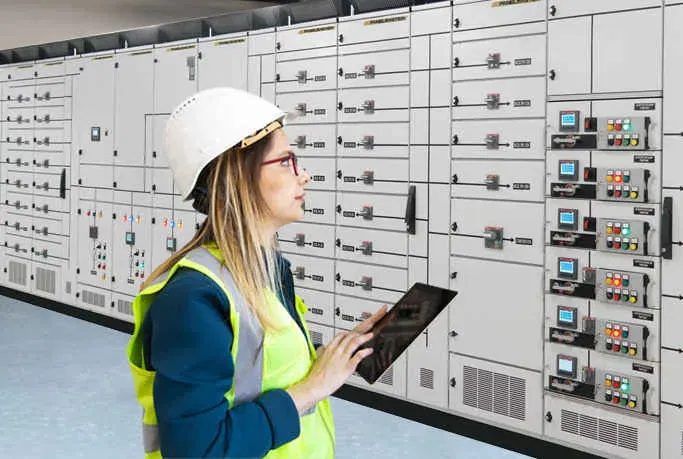
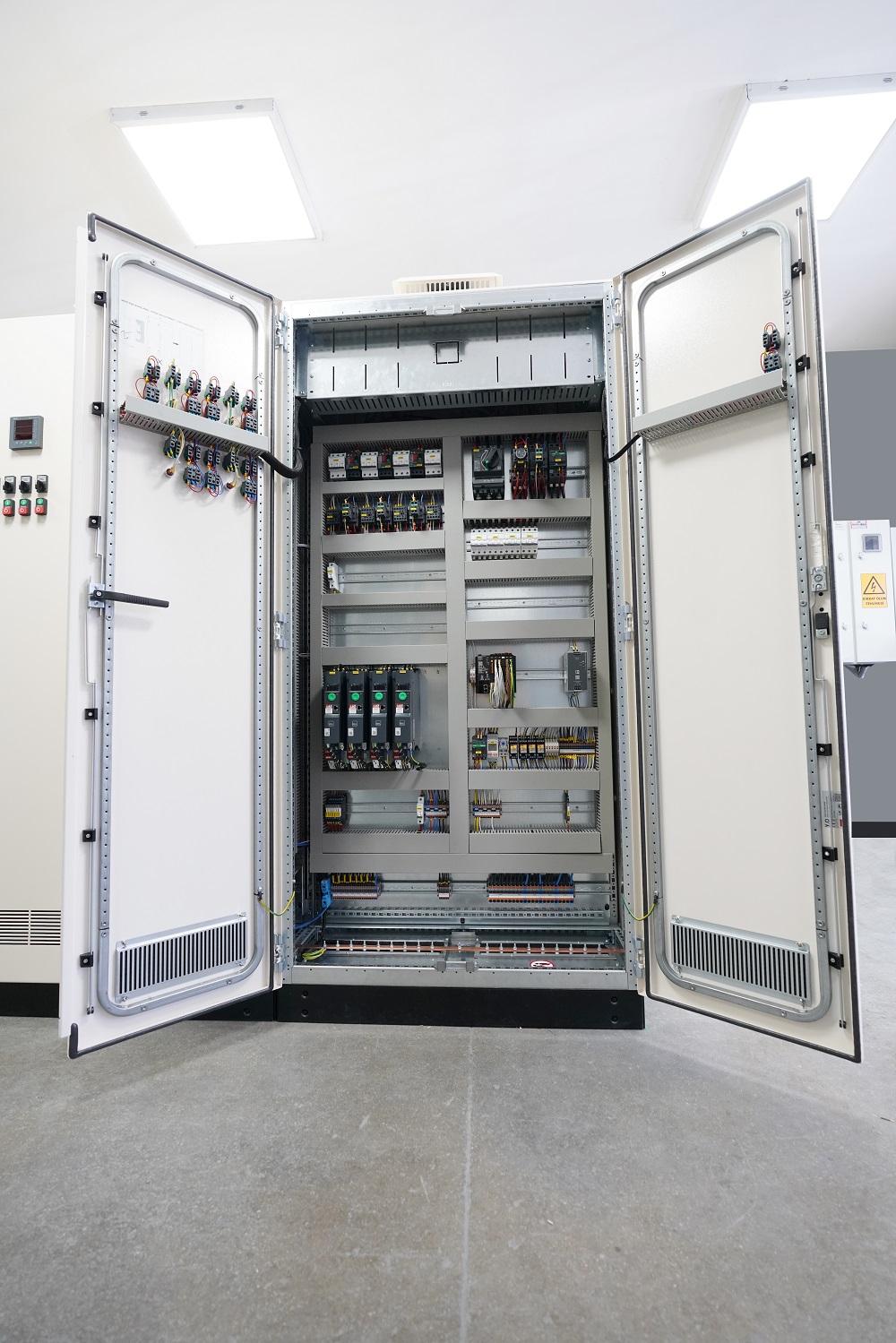
Floor standing enclosures can accommodate circuit breakers, PLCs, control relays, contactors, protection devices, power supplies, communication equipment, and operator interfaces. Modular mounting systems and engineered ventilation ensure compliance with international standards and reliable long-term operation.
Effective thermal management is also a key aspect of internal configuration. Due to the heat generated by drives and transformers, these enclosures often integrate active cooling solutions such as filter fans, heat exchangers, or air conditioning units to maintain optimal operating temperatures.
Application Areas and Industries
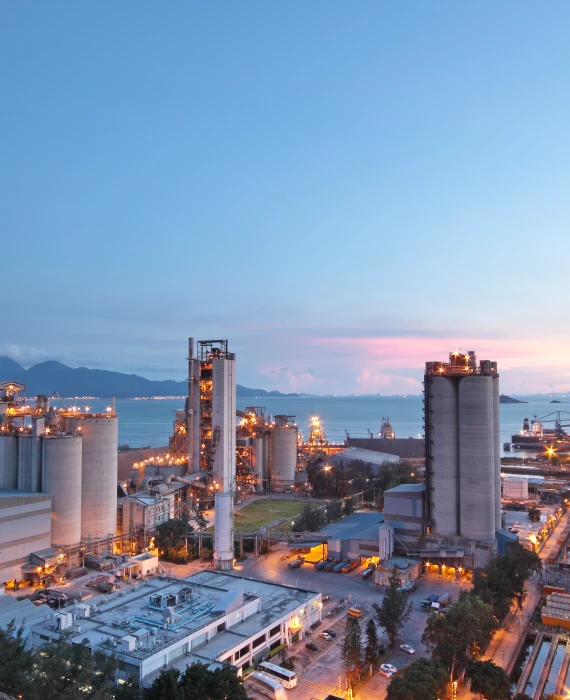
These enclosures are widely used in industrial manufacturing, energy and utility systems, building automation, water and wastewater treatment, oil and gas facilities, and food and pharmaceutical industries. Their modular design supports both centralized and decentralized installations.
Flexibility and Customization
Modern floor standing enclosures can be customized in terms of dimensions, compartmentalization, cable entry options, and climate control accessories. This flexibility allows adaptation to project-specific requirements and future automation upgrades. Key customization options often searched by engineers include:
• Transparent doors for visual inspection.
• Swing frames for 19-inch rack-mounted equipment.
• Heavy-duty plinths for easier cable entry from the floor.
Safety, Compliance, and Reliability
Designed in accordance with international standards such as IEC 62208, floor standing enclosures ensure personnel safety, reliable operation, easy maintenance, and long service life. Proper installation and periodic maintenance maximize system performance and minimize downtime. Grounding (earthing) continuity is another critical safety feature, ensuring that any electrical fault is safely directed to the ground, protecting operators from shock hazards.
Conclusion
Floor standing enclosures form a reliable structure for modern low-voltage enclosure systems. With robust construction, flexible design, and wide industry applicability, they remain indispensable for scalable and sustainable electrical infrastructure. By investing in high-quality, appropriately rated enclosures, businesses ensure the longevity of their automation assets and minimize costly production interruptions.
.webp)